
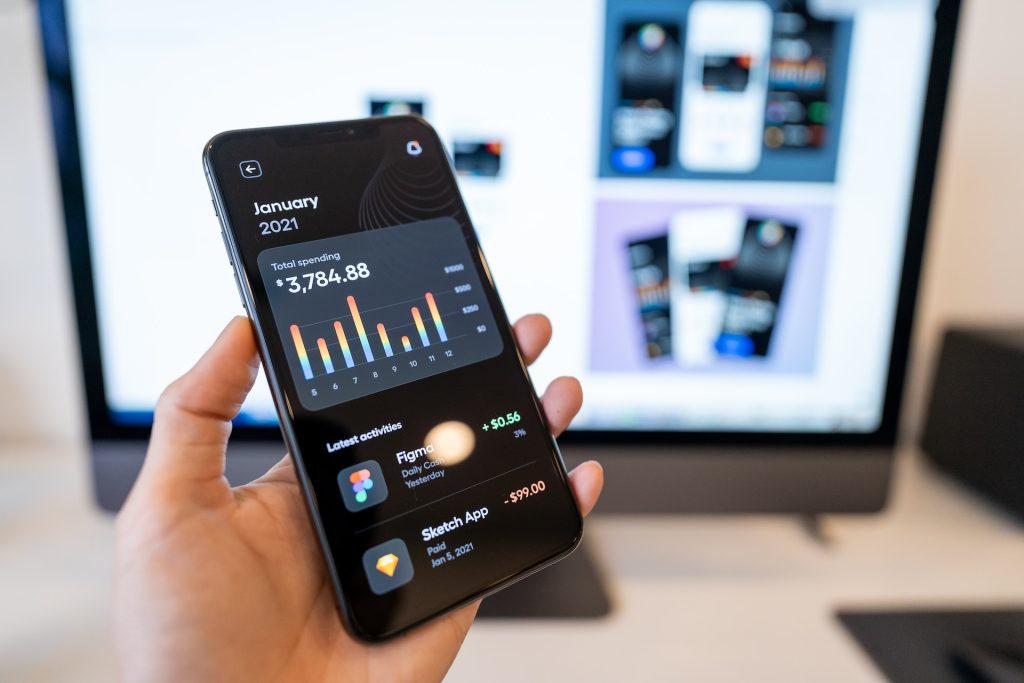
Mobile app development is a complex process that requires careful planning and execution. Whether you’re a startup or an established business, ensuring your mobile app project is successful is crucial. In this blog post, we’ll outline the key steps to achieve a successful mobile app development project:
1. Define Your Goals and Objectives:
- Before diving into development, clearly define your app’s goals and objectives. What problem does it solve, and who is your target audience? Establishing clear goals is essential for guiding the development process.
2. Conduct Market Research:
- Research your competitors and target market. Identify gaps in the market and opportunities for your app. Understanding user needs and preferences will inform your app’s features and design.
3. Create a Solid App Concept:
- Develop a detailed app concept that includes wireframes, user stories, and a feature list. This will serve as the blueprint for your app’s development.
4. Choose the Right Development Approach:
- Decide whether you want to build a native app (iOS and Android), a cross-platform app, or a web app. Each approach has its pros and cons, and the choice depends on your budget and target audience.
5. Select a Skilled Development Team:
- Hire experienced app developers, designers, and QA testers. Collaborate with a team that has a track record of delivering high-quality apps.
6. Develop a Minimum Viable Product (MVP):
- Start with an MVP to get your app to market quickly. This allows you to gather user feedback and make improvements before scaling up.
7. Rigorous Testing and Quality Assurance:
- Thoroughly test your app for functionality, usability, and performance. Identify and address any bugs or issues before launch.
8. App Store Optimization (ASO):
- Optimize your app’s name, description, keywords, and visuals to increase its visibility on app stores. ASO is critical for attracting users.
9. Launch and Promote:
- Launch your app on app stores and promote it through various channels, including social media, email marketing, and paid advertising.